Innovation & AI: Artificial Intelligence, 5G Innovation and the Future of Smart Technology
Innovation continues to redefine the global technology landscape, with artificial intelligence (AI) at the center of digital transformation. From smart devices and cloud computing to advanced 5G infrastructure, companies are investing heavily in AI technology trends that shape the future of connectivity and automation.
The Innovation & AI section explores breakthroughs in machine learning, edge computing, smart ecosystems, and next-generation communication networks.
Artificial Intelligence Innovation and Real-World Applications
Modern artificial intelligence innovation extends far beyond automation. AI now powers:
- Smart assistants and voice recognition
- Predictive analytics in healthcare
- AI-driven cybersecurity
- Autonomous systems
- Smart manufacturing
Machine learning algorithms continuously improve through data processing, enabling more accurate decision-making and real-time adaptation.
AI in Smart Devices and Consumer Technology
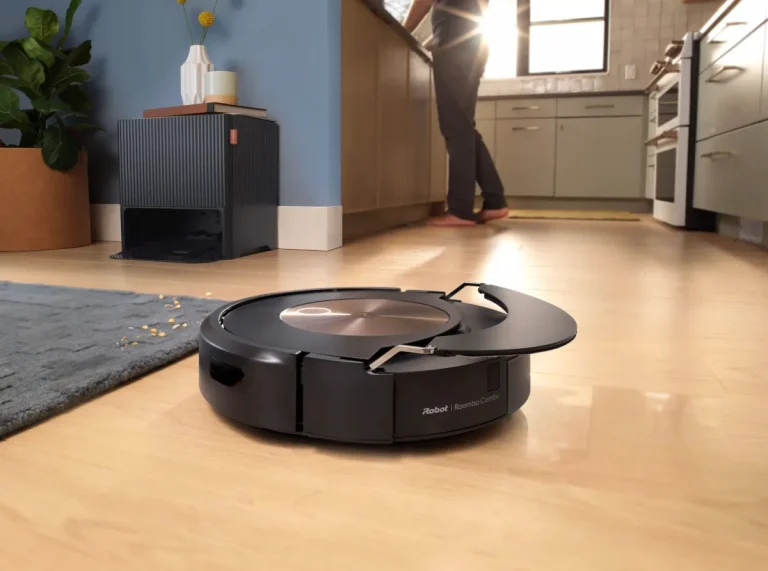
AI integration has transformed smart devices into intelligent ecosystems.
Applications include:
- AI-powered smartphone photography
- Adaptive battery optimization
- Facial recognition security
- Real-time translation
- Personalized content recommendations
These features enhance user experience while optimizing performance and energy efficiency.
5G Innovation and Intelligent Connectivity
The expansion of 5G innovation supports AI-powered infrastructure by enabling ultra-low latency and faster data transmission.
5G benefits include:
- Real-time cloud processing
- Internet of Things (IoT) scalability
- Smart city development
- Industrial automation
- Enhanced mobile gaming and streaming
The synergy between AI and 5G accelerates digital transformation across industries.
Cloud Computing and Edge AI Solutions
Cloud computing solutions play a critical role in processing massive datasets required for AI models.
Emerging trends include:
- Edge AI processing
- Hybrid cloud infrastructure
- AI-as-a-Service (AIaaS)
- Data center optimization
- Enterprise-level AI deployment
Edge computing reduces latency by processing data closer to the source, improving performance in time-sensitive applications.
AI in Business and Enterprise Innovation
Businesses increasingly rely on AI for operational efficiency.
Enterprise applications include:
- Automated customer support
- Predictive supply chain management
- Fraud detection systems
- Data-driven marketing strategies
- Workflow automation
AI-driven analytics enable companies to improve decision-making and reduce operational costs.
Future Technology Trends for 2026
Looking ahead, several emerging trends will define future technology in 2026 and beyond:
- Generative AI integration
- AI-powered robotics
- Expanded smart home ecosystems
- Sustainable green technology innovation
- Quantum computing research
Continuous innovation in semiconductor design and network infrastructure will further expand AI capabilities.
Ethical AI and Data Security
As AI adoption increases, ethical considerations become increasingly important.
Key concerns include:
- Data privacy protection
- Algorithmic bias
- Regulatory compliance
- Transparency in AI systems
- Responsible AI deployment
Balancing innovation with ethical safeguards ensures sustainable technological progress.
Conclusion
The convergence of artificial intelligence innovation, 5G networks, and cloud computing is reshaping industries and redefining digital ecosystems. From consumer devices to enterprise infrastructure, AI technology trends continue to drive efficiency, connectivity, and automation.
As innovation accelerates, understanding emerging technologies and their practical applications becomes essential for businesses and consumers navigating the evolving digital landscape.