Understanding the Future of 3C: Predictions and Trends for the Coming Decade
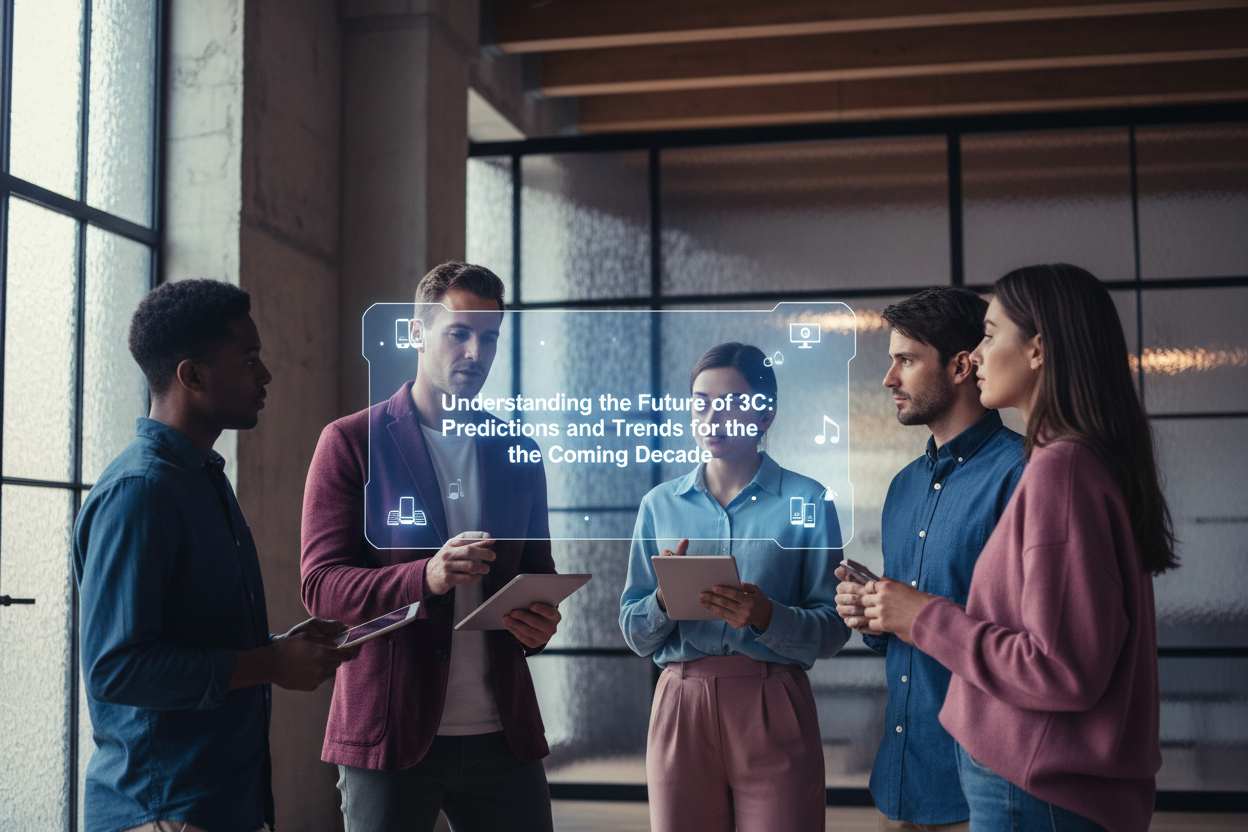
The landscape of 3C—Computers, Communications, and Consumer Electronics—is rapidly transforming, driven by technological advancements and evolving consumer demands. As we venture into the next decade, it’s crucial to explore the trends and predictions shaping this dynamic field. This comprehensive analysis covers key developments and offers insights into what the future holds for 3C industries.
The Rise of Artificial Intelligence in 3C
Artificial Intelligence (AI) is no longer a futuristic concept; it is an integral part of modern technology, poised to revolutionize the 3C sector. In the coming decade, AI is expected to enhance device functionality, improve user experience, and streamline communications. AI-powered assistants are becoming more sophisticated, learning from user interactions to provide personalized experiences.
AI’s influence extends to computers, where machine learning algorithms are optimizing processes and improving performance. In consumer electronics, AI is driving the development of smart home devices, from smart thermostats to AI-driven security systems. The integration of AI in communication tools is also enhancing connectivity by enabling real-time language translation and advanced data analytics.
5G and Beyond: The Future of Connectivity
The advent of 5G technology marks a significant leap in communication capabilities, offering faster speeds and more reliable connections. As 5G networks expand globally, they are set to transform how we interact with technology. This new era of connectivity will facilitate advancements in the Internet of Things (IoT), autonomous vehicles, and immersive virtual experiences.
Looking beyond 5G, researchers are already exploring the potential of 6G technology, which promises even greater speeds and the ability to connect an unprecedented number of devices. The deployment of 5G and future networks will enable seamless connectivity, supporting innovations in smart cities and IoT ecosystems.
Sustainability and the Green Tech Movement
As environmental concerns grow, the 3C industry is increasingly focusing on sustainability. Companies are investing in energy-efficient technologies and sustainable practices to reduce their carbon footprint. The demand for eco-friendly products is on the rise, with consumers seeking devices that offer both functionality and sustainability.
Efforts to create recyclable and biodegradable materials for electronics are gaining momentum. Innovations such as energy-efficient processors and renewable energy-powered devices are setting new standards in the industry. The push towards sustainability is not only beneficial for the environment but also opens up new business opportunities in green technology.
The Evolution of Consumer Electronics
Consumer electronics are experiencing a transformation, driven by advancements in technology and changing consumer preferences. The demand for smart, connected devices continues to grow, with wearables, augmented reality (AR), and virtual reality (VR) leading the charge. These technologies are not only enhancing entertainment experiences but also finding applications in healthcare, education, and professional training.
The miniaturization of components and improvements in battery technology are enabling the development of more portable and powerful devices. Furthermore, the integration of AI and machine learning in consumer electronics is paving the way for intuitive, user-friendly interfaces that understand and adapt to user needs.
Cybersecurity: A Growing Concern
With increased connectivity and data exchange comes the heightened risk of cyber threats. As 3C devices become more interconnected, ensuring cybersecurity is paramount. The industry is investing in advanced security measures, including biometric authentication, encryption, and AI-driven threat detection.
The challenge lies in balancing convenience with security. Consumers and businesses alike are demanding solutions that protect sensitive information without compromising on usability. As cyber threats evolve, the need for robust cybersecurity measures will only intensify.
Conclusion: Embracing the Future of 3C
The future of 3C is both exciting and challenging, with groundbreaking technologies and innovations on the horizon. As we look forward to the coming decade, it is essential for industry players to adapt to changing trends and consumer expectations. The integration of AI, advancements in connectivity, a focus on sustainability, and robust cybersecurity measures will define the future of 3C.
By embracing these changes, companies can harness the potential of emerging technologies to drive growth and deliver exceptional value to consumers. The next decade promises to be a transformative journey for the 3C industry, as it navigates the complexities of a rapidly evolving technological landscape.
Integration of Edge Computing in 3C Devices
As data processing demands increase, edge computing is emerging as a crucial technology in the 3C ecosystem. By processing data closer to the source, edge computing reduces latency and improves efficiency, making it ideal for real-time applications such as autonomous vehicles and smart city infrastructure. This technology allows devices to operate independently, even in areas with limited connectivity, by handling data locally.
Edge computing is poised to complement cloud computing, creating a hybrid model that maximizes the strengths of both technologies. As more devices become equipped with edge computing capabilities, we can expect improved performance, enhanced data security, and reduced bandwidth usage. The integration of edge computing in 3C devices is a significant step towards achieving the full potential of the IoT and enhancing user experiences across various applications.
Blockchain Technology: Decentralization and Security
Blockchain technology is gaining traction in the 3C industry, offering solutions for data security and decentralized networks. By providing a secure, transparent, and efficient way to record transactions, blockchain can enhance trust and accountability in digital communications and transactions. Its application extends to secure data sharing, identity management, and supply chain traceability.
In the realm of consumer electronics, blockchain can facilitate the development of decentralized applications, offering users more control over their data and digital assets. As blockchain technology continues to evolve, it holds the potential to reshape various aspects of the 3C industry, driving innovation and creating new business models.
The Role of 3C in Remote Work and Education
The recent global shift towards remote work and online education has underscored the importance of 3C technologies. High-speed internet, reliable communication tools, and powerful computing devices have become essential for productivity and learning. This trend is set to continue, with advancements in virtual collaboration tools and e-learning platforms driving further adoption.
Technologies such as AR and VR are being integrated into remote work and education, providing immersive experiences that enhance engagement and interaction. As these technologies become more accessible and affordable, they will play a crucial role in shaping the future of work and learning environments.
Smart Cities and the Expansion of IoT
Smart cities are a testament to the transformative power of 3C technologies, leveraging IoT devices to improve urban living. From traffic management systems to energy-efficient buildings, smart cities use data-driven insights to optimize resources and enhance quality of life. The expansion of IoT plays a pivotal role in this development, enabling the seamless integration of various city functions.
As the number of connected devices continues to grow, smart city initiatives will require robust infrastructure and advanced data management solutions. Technologies such as 5G, edge computing, and AI will be instrumental in supporting the complex networks that underpin smart cities, driving innovation and sustainability in urban environments.
Conclusion: Navigating Challenges and Opportunities
The next decade presents a myriad of opportunities and challenges for the 3C industry. As technology continues to evolve at a rapid pace, companies must remain agile and forward-thinking to capitalize on emerging trends. From AI and edge computing to blockchain and IoT, the integration of these technologies will define the future of 3C, offering new possibilities for innovation and growth.
In navigating this landscape, industry leaders must also address the ethical and societal implications of technological advancements. By prioritizing sustainability, security, and accessibility, the 3C industry can contribute to a future that benefits all stakeholders, paving the way for a more connected, efficient, and equitable world. For those interested in the broader scope of technological advancements, resources like MIT Technology Review provide valuable insights and analyses.
Human-Centric Design in 3C Products
As the 3C industry evolves, there is a growing emphasis on human-centric design, prioritizing user experience and accessibility. This approach ensures that products are not only technologically advanced but also intuitive and easy to use. Designers are increasingly focusing on creating interfaces that are inclusive, accommodating users with diverse needs and abilities.
Human-centric design also extends to aesthetic and ergonomic considerations, ensuring that devices are comfortable to use and visually appealing. As consumers become more discerning, the demand for products that seamlessly integrate into their lifestyles will drive innovation in design. Companies are investing in research and development to understand user behavior and preferences, leading to products that not only meet but exceed expectations.
The Impact of Quantum Computing on 3C
Quantum computing represents a significant leap forward in processing power, with the potential to solve complex problems beyond the reach of classical computers. Although still in its early stages, quantum computing could revolutionize various aspects of the 3C industry, from data encryption and optimization to machine learning and beyond.
As researchers and companies invest in quantum computing, we are likely to see breakthroughs that will enhance computational capabilities across the board. The integration of quantum technologies into traditional computing systems could lead to unprecedented advancements, opening new frontiers in scientific research and industrial applications.
Augmented and Virtual Reality: Beyond Gaming
While gaming has been the most visible application of augmented reality (AR) and virtual reality (VR), these technologies are finding new uses across various sectors. In the coming decade, AR and VR are expected to transform industries such as healthcare, real estate, and retail by providing immersive, interactive experiences.
In healthcare, VR is being used for surgical training and therapeutic treatments, while AR is enhancing diagnostics and patient care. In real estate, virtual tours allow potential buyers to explore properties remotely, while retailers are using AR to offer virtual try-ons and personalized shopping experiences. As AR and VR technologies continue to advance, their applications will expand, offering innovative solutions to complex challenges.
Ethical Considerations in 3C Innovation
With rapid technological advancements come important ethical considerations. Issues such as data privacy, surveillance, and the digital divide are becoming increasingly prominent as 3C technologies permeate every aspect of life. Companies and policymakers must address these challenges to ensure responsible and equitable technological development.
Transparency in data handling, user consent, and privacy protection are essential components of ethical innovation. Moreover, efforts to bridge the digital divide are crucial to ensuring that all individuals have access to the benefits of technological advancements. By fostering ethical practices, the 3C industry can build trust and promote a more inclusive digital future.
Conclusion: Preparing for the Future
As we look towards the future of 3C, it is clear that the coming decade will be marked by unprecedented change and innovation. By embracing emerging technologies, prioritizing human-centric design, and addressing ethical concerns, the 3C industry can continue to thrive and contribute to societal progress.
Stakeholders across the industry—consumers, businesses, and policymakers—must collaborate to navigate this evolving landscape. By doing so, they can harness the power of technology to create a better, more connected world. For further exploration of the intersection of technology and society, consider visiting resources such as the World Economic Forum.
About the Author