
The Reality of 5G: Unpacking its Impact and What’s Next in Connectivity
The introduction of 5G technology has been one of the most anticipated advancements in the realm of telecommunications. As the fifth generation of mobile networks, 5G promises unprecedented speed and connectivity, potentially reshaping industries, economies, and everyday life. While its rollout has been gradual, the implications of 5G are vast and complex. In this post, we delve into the reality of 5G, exploring its impact and what lies ahead in the future of connectivity.
Understanding 5G: The Basics
5G stands for the fifth generation of wireless technology. It is designed to increase data speeds, reduce latency, and improve the flexibility of wireless services. Unlike its predecessors, 5G offers enhanced broadband, ultra-reliable low latency communications, and massive machine-type communications, enabling a wide range of new applications and services.
One of the key features of 5G is its ability to deliver gigabit-speed internet, making it possible to download a full-length HD movie in seconds. This leap in speed is partly due to the use of higher frequency bands, known as millimeter waves, which provide broader bandwidth than previous generations.
The Impact of 5G on Industries
Transforming Healthcare
5G is poised to revolutionize the healthcare industry by enabling telemedicine, remote monitoring, and even remote surgery. With the improved connectivity and reduced latency that 5G offers, healthcare professionals can perform real-time monitoring of patients from any location. This is particularly beneficial for rural or underserved communities where access to healthcare services is limited.
Moreover, the integration of 5G with other technologies such as Internet of Things (IoT) devices can facilitate the collection and analysis of large amounts of medical data, enhancing diagnostics and personalized treatment plans.
Advancing the Automotive Industry
The automotive sector is another area where 5G is expected to make a significant impact. With the advent of autonomous vehicles, the need for reliable, low-latency communication is critical. 5G provides the infrastructure necessary for vehicles to communicate with each other and with traffic management systems in real-time, enhancing safety and efficiency on the roads.

Beyond autonomous driving, 5G also supports the concept of smart cities, where transportation systems are interconnected and optimized, reducing congestion and improving public transportation systems.
Enhancing Entertainment and Media
The entertainment and media industry is already experiencing changes due to 5G technology. The high-speed connectivity and low latency enable seamless streaming of high-quality video content, including 4K and 8K resolutions, enhancing the viewer experience.
Additionally, 5G opens up new possibilities in augmented reality (AR) and virtual reality (VR), allowing for more immersive and interactive media experiences. This can revolutionize how we consume content, from gaming to live sports events.
Challenges and Considerations
Despite its potential, the rollout of 5G is not without challenges. One of the primary concerns is the health implications associated with the increased exposure to radiofrequency radiation. While current research indicates that 5G is safe, ongoing studies are essential to ensure public health is not compromised.
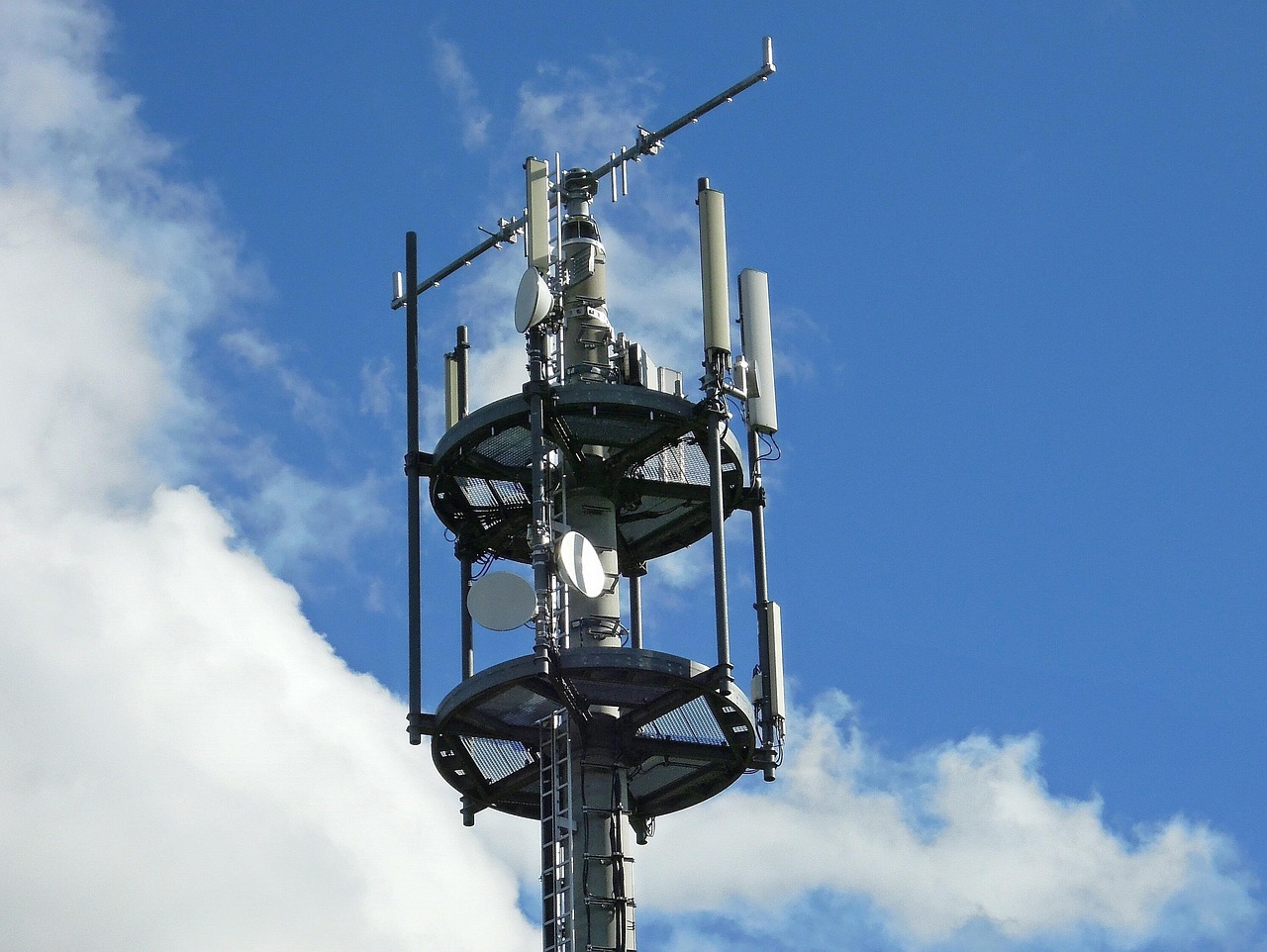
Another challenge is the infrastructure required to support 5G networks. The deployment of 5G necessitates a dense network of small cells, which can be costly and time-consuming to install, particularly in rural or less-populated areas. This could result in a digital divide, where urban areas receive 5G service far earlier than rural regions.
The Future of Connectivity: What’s Next?
The future of connectivity is bright, with 5G paving the way for a more interconnected world. As 5G becomes more widespread, it will lay the foundation for the development of new technologies and applications that were previously unimaginable.
One area of interest is the evolution of smart cities, where 5G can enable more efficient urban management through real-time data collection and analysis. This can lead to improved public services, such as waste management, energy distribution, and emergency response systems.

Furthermore, the combination of 5G with emerging technologies such as artificial intelligence (AI) and blockchain could unlock new possibilities in various sectors, from finance to logistics. As these technologies converge, we can expect to see more innovative solutions that enhance efficiency, security, and user experience.
Takeaways
In conclusion, 5G represents a significant leap forward in the realm of telecommunications. Its impact extends across various industries, offering new opportunities and efficiencies. However, the successful implementation of 5G requires careful consideration of the challenges it presents, particularly in terms of infrastructure and public health.
As we look to the future, the evolution of 5G will be a critical factor in shaping the next wave of technological advancements. By continuing to invest in research and infrastructure, we can ensure that the benefits of 5G are realized globally, paving the way for a more connected and innovative world.
5G and the Global Economy
The economic implications of 5G are profound, with the potential to add trillions of dollars to the global economy. According to a report by the GSMA, 5G is expected to contribute $2.2 trillion to the global economy by 2034. This growth is driven by increased productivity, new business models, and the creation of new markets.
Industries such as manufacturing, agriculture, and logistics stand to benefit significantly from 5G. Enhanced connectivity allows for the optimization of supply chains, real-time monitoring of production lines, and the efficient management of resources. This can lead to cost reductions and improved service delivery, ultimately boosting economic growth.
Job Creation and Workforce Transformation
The deployment of 5G networks is expected to create millions of jobs worldwide. These jobs will span a range of sectors, from technology and telecommunications to construction and engineering. As new applications and services emerge, there will be a growing demand for skilled workers capable of developing and maintaining these technologies.
However, the shift towards 5G may also lead to workforce transformation, with certain roles becoming obsolete and new skills being required. This necessitates a focus on education and training programs to equip workers with the skills needed in a 5G-enabled world.
Environmental Considerations

As with any technological advancement, it is important to consider the environmental impact of 5G. The increased energy consumption associated with the deployment and operation of 5G networks is a concern, particularly in the context of global efforts to reduce carbon emissions. However, 5G also offers opportunities to enhance sustainability.
By enabling more efficient resource management and promoting the use of IoT devices, 5G can contribute to reducing waste and optimizing energy use. For instance, smart grids powered by 5G can improve energy distribution and reduce losses, while smart agriculture can enhance crop yields and minimize water usage.
Global 5G Adoption and Competition
The race to implement 5G is not limited to individual companies or countries; it is a global competition with geopolitical implications. Nations are striving to become leaders in 5G technology to gain economic and strategic advantages. This competition is evident in the rivalry between the United States and China, two major players in the 5G arena.
China has made significant strides in rolling out 5G infrastructure, with state-backed enterprises like Huawei and ZTE at the forefront. The United States, while initially lagging, is ramping up efforts to catch up, focusing on innovation and partnerships with private sector companies to accelerate 5G deployment.
The Role of Policymakers and Regulators
Policymakers and regulators play a crucial role in the successful deployment of 5G networks. They are responsible for allocating spectrum, setting standards, and ensuring fair competition in the marketplace. Additionally, they must address concerns related to data privacy and security, which are heightened in a 5G-connected world.
Collaborative efforts between governments, industry stakeholders, and international organizations are essential to create a conducive environment for 5G development. By fostering innovation and investment, policymakers can help maximize the benefits of 5G while addressing potential risks.
Conclusion: A Connected Future
The advent of 5G marks a pivotal moment in the evolution of connectivity. With its potential to transform industries, boost the global economy, and enhance everyday life, 5G represents a new era of technological advancement. However, realizing the full potential of 5G requires addressing challenges such as infrastructure deployment, workforce transformation, and environmental sustainability.
As we move forward, the continued collaboration between technology developers, industry leaders, policymakers, and the international community will be crucial. By working together to navigate the complexities of 5G, we can unlock its possibilities and pave the way for a more connected, efficient, and innovative world.
The Intersection of 5G and Emerging Technologies
As 5G technology becomes more prevalent, its integration with other emerging technologies will be key to unlocking new potentials. This intersection will play a critical role in shaping the future of various sectors, leading to unprecedented advancements and innovations.
Artificial Intelligence and Machine Learning
5G’s high-speed connectivity and low latency are set to enhance the capabilities of Artificial Intelligence (AI) and machine learning applications. These technologies rely on large datasets and real-time processing to function effectively. With 5G, AI systems can access and analyze data more quickly, improving their ability to make decisions and predictions.
This synergy is particularly beneficial in industries such as healthcare, where AI can assist in diagnosing diseases and personalizing treatment plans. Similarly, in finance, AI-powered systems can offer better fraud detection and risk management, enhancing security and customer trust.
Blockchain and Secure Transactions
The decentralized nature of blockchain technology makes it an ideal partner for 5G networks, which require secure and efficient transaction processing. With the enhanced speed and reliability of 5G, blockchain applications can operate more efficiently, facilitating secure transactions across various sectors, including finance, supply chain management, and healthcare.
For example, in logistics, the combination of 5G and blockchain can provide real-time tracking of goods, ensuring transparency and reducing the risk of fraud. This integration can also enhance the security of personal data in healthcare, allowing patients to maintain control over their medical records while enabling seamless sharing with authorized parties.
Augmented Reality (AR) and Virtual Reality (VR)
The potential of 5G to transform AR and VR experiences is immense. These technologies require high bandwidth and low latency to deliver immersive and interactive experiences, making 5G an ideal enabler. In entertainment, 5G-powered AR and VR can revolutionize gaming, live events, and virtual tourism, offering users a more engaging and realistic experience.

In education, AR and VR can create interactive learning environments, allowing students to explore complex subjects in a virtual setting. This can enhance understanding and retention, making learning more accessible and effective.
5G and the Future of Work
The impact of 5G on the workplace is profound, offering new opportunities for remote work, collaboration, and productivity. As businesses continue to adapt to a digital-first world, 5G will play a crucial role in enabling seamless communication and collaboration across distances.
Remote Work and Virtual Collaboration
The COVID-19 pandemic accelerated the shift towards remote work, highlighting the need for reliable and robust communication tools. With 5G, remote workers can access high-speed internet and cloud-based applications, facilitating efficient collaboration and communication.
Video conferencing, a staple of remote work, stands to benefit significantly from 5G’s capabilities. Enhanced video quality, reduced lag, and the ability to support more participants can improve the overall experience, making virtual meetings more effective and engaging.
Smart Offices and IoT Integration
The integration of IoT devices in the workplace is another area where 5G can make a significant impact. Smart offices equipped with sensors and connected devices can optimize energy usage, enhance security, and improve employee comfort.
For instance, smart lighting systems can adjust based on occupancy and natural light, reducing energy consumption and creating a more pleasant working environment. Similarly, IoT-enabled security systems can offer real-time monitoring and alerts, ensuring the safety of employees and assets.
Conclusion: Embracing the 5G Revolution
The journey towards a 5G-enabled world is well underway, and its impact is already being felt across various sectors. As businesses and individuals embrace this revolutionary technology, the possibilities for innovation and growth are boundless. By leveraging the capabilities of 5G and integrating it with other emerging technologies, we can create a more connected and efficient world.
While challenges remain, the potential benefits of 5G far outweigh the obstacles. Continued investment in infrastructure, research, and education will be essential to harness the full potential of 5G. As we move forward, collaboration among stakeholders will be key to ensuring that the benefits of 5G are realized globally, paving the way for a brighter, more connected future.
About the Author