Emerging Technology Trends in 2022: What to Watch Out For
The rapid evolution of technology is a defining characteristic of the modern world, impacting every aspect of our lives. As we delve into 2022, several emerging technology trends are set to reshape industries, improve our daily experiences, and address significant global challenges. This blog post explores these dynamic trends, providing insights into how they might develop and influence various sectors. From artificial intelligence advancements to breakthroughs in renewable energy, let’s examine what to watch out for in the coming year.
Artificial Intelligence and Machine Learning
Artificial Intelligence (AI) and Machine Learning (ML) are not new phenomena, but their capabilities and applications continue to grow exponentially. In 2022, AI is expected to become even more integrated into everyday business operations. Companies are leveraging AI to improve customer experiences, streamline operations, and make data-driven decisions.
One significant area of growth is in neural networks and deep learning. These technologies enable machines to mimic human brain function, allowing for better pattern recognition and decision-making. For example, AI-powered chatbots are becoming more sophisticated, providing more personalized and efficient customer service.
Moreover, AI is playing a crucial role in combating climate change by optimizing energy consumption and predicting environmental changes. As AI technology continues to evolve, ethical considerations, including data privacy and bias, remain critical issues that need addressing.
The Rise of Edge Computing

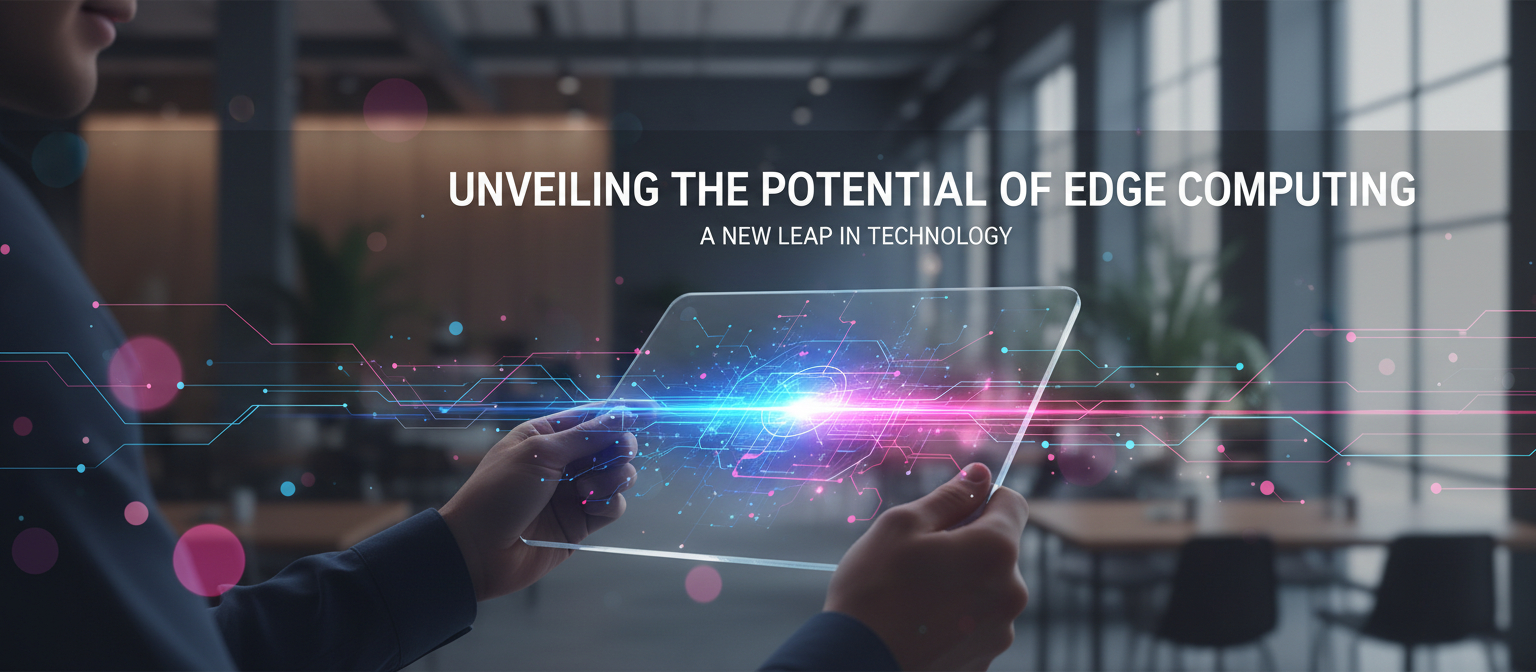
As data generation grows exponentially, traditional cloud computing models are reaching their limits. This has led to the rise of edge computing, where data processing occurs closer to the data source rather than relying on centralized data centers. This approach reduces latency, enhances speed, and improves the efficiency of IoT devices.
Industries such as healthcare, autonomous vehicles, and smart cities are set to benefit significantly from edge computing. For instance, in healthcare, real-time data analysis at the edge can lead to faster diagnosis and treatment, potentially saving lives. As more devices become interconnected, the demand for edge computing solutions will continue to rise, driving innovation in this space.
Blockchain Beyond Cryptocurrency
While blockchain is primarily associated with cryptocurrencies like Bitcoin, its potential extends far beyond digital currency. In 2022, blockchain technology is being explored for its applications in supply chain management, finance, and even digital identity verification.
Blockchain offers a transparent and secure way to track transactions and verify authenticity, making it ideal for industries where trust and transparency are paramount. For example, in supply chain management, blockchain can help track the journey of products from origin to consumer, ensuring authenticity and reducing fraud.
Furthermore, blockchain’s potential in financial inclusion is significant, offering unbanked populations access to financial services through decentralized platforms. As blockchain technology matures, it is likely to disrupt traditional business models and create new opportunities for innovation.
Quantum Computing’s Growing Influence
Quantum computing, once a theoretical concept, is becoming a reality with the potential to solve complex problems beyond the reach of classical computers. In 2022, advancements in quantum computing are expected to accelerate, with tech giants and startups investing heavily in this technology.

Quantum computers use quantum bits or qubits, allowing them to process information in ways that classical computers cannot. This capability is particularly promising for fields like cryptography, drug discovery, and materials science. For instance, quantum computing could revolutionize drug discovery by simulating molecular interactions at unprecedented speeds, potentially leading to the development of new medicines.
Despite its promise, quantum computing is still in its infancy, and significant challenges remain, including error rates and scalability. However, its potential impact on industries is undeniable, and 2022 could see breakthroughs that bring quantum computing closer to practical application.
Sustainable and Clean Technologies
With growing concerns about climate change and environmental sustainability, the development of clean technologies is more critical than ever. In 2022, the focus on renewable energy sources, such as solar and wind, is set to intensify as countries strive to meet their carbon reduction goals.
Innovations in energy storage, such as advanced battery technologies, are enabling more efficient utilization of renewable energy. Electric vehicles are becoming more mainstream, with improvements in charging infrastructure and battery life making them more accessible to consumers.
Additionally, green hydrogen is emerging as a promising solution for energy storage and transportation. Produced using renewable energy, green hydrogen offers a clean fuel alternative for industries that are challenging to decarbonize, such as shipping and aviation.
As governments and private sectors invest in clean technologies, we can expect a surge in innovation aimed at creating a more sustainable future.
Metaverse and Virtual Reality
The concept of the metaverse, a virtual-reality space where users can interact with a computer-generated environment and other users, is gaining traction. In 2022, advancements in virtual reality (VR) and augmented reality (AR) technologies are driving the development of the metaverse, creating new opportunities for entertainment, education, and social interaction.
Companies like Facebook (now Meta) are investing heavily in creating immersive virtual worlds, blurring the lines between physical and digital experiences. The metaverse could revolutionize how we work, play, and socialize, offering new ways to connect and collaborate.
Education is another area poised for transformation, with VR and AR providing immersive learning experiences that enhance engagement and retention. As the technology becomes more accessible and affordable, its applications are likely to expand, creating a new digital frontier.
Takeaways
The emerging technology trends of 2022 are set to redefine industries and change how we live and work. From the continued rise of artificial intelligence and machine learning to the expanding influence of quantum computing, these technologies promise to create new opportunities and solve complex global challenges.
As we navigate this dynamic landscape, staying informed and adaptable is crucial. Embracing these emerging trends will not only drive business success but also contribute to a more sustainable and connected world. Keeping an eye on these developments will ensure we’re prepared to harness their potential and shape the future of technology.

Decentralized Finance (DeFi) and Fintech Innovations
The financial sector is undergoing a transformation fueled by decentralized finance (DeFi) and fintech innovations. DeFi, which leverages blockchain technology, is democratizing access to financial services by eliminating intermediaries. In 2022, DeFi platforms are expected to expand, offering services like lending, borrowing, and trading without the need for traditional banks.
This trend is not only increasing accessibility but also driving competition, pushing traditional financial institutions to innovate and offer more customer-centric services. For example, peer-to-peer lending platforms are providing individuals with more flexible loan options, challenging the dominance of conventional banks.
Moreover, advancements in fintech are enabling more secure and efficient financial transactions. Technologies like biometric authentication and blockchain are enhancing security, while artificial intelligence is being used to detect fraud and improve risk management. As these innovations continue to evolve, they are likely to reshape the financial landscape, making it more inclusive and resilient.
5G and the Internet of Things (IoT)
The rollout of 5G technology is accelerating the growth of the Internet of Things (IoT), connecting billions of devices and enabling real-time data exchange. In 2022, the widespread adoption of 5G is expected to enhance IoT applications across various sectors, including healthcare, manufacturing, and transportation.
In healthcare, IoT devices can monitor patient health in real-time, allowing for more proactive and personalized care. In manufacturing, smart factories equipped with IoT sensors can optimize processes and reduce downtime, leading to increased efficiency and cost savings.

The transportation sector is also poised for transformation, with connected vehicles and smart infrastructure improving safety and reducing congestion. As 5G networks expand, the potential for IoT applications will continue to grow, offering new opportunities for innovation and efficiency.
Cybersecurity in the Age of Digital Transformation
As digital transformation accelerates, cybersecurity remains a top priority for businesses and governments alike. In 2022, the increasing sophistication of cyber threats is driving the development of advanced security solutions to protect sensitive data and maintain trust.
Artificial intelligence and machine learning are playing a crucial role in enhancing cybersecurity, enabling real-time threat detection and response. Solutions like AI-powered security analytics can identify unusual patterns and prevent attacks before they occur.
Additionally, the rise of remote work has highlighted the need for secure access to company networks. Technologies such as zero-trust architecture and multi-factor authentication are becoming standard practices to safeguard against unauthorized access.
As cyber threats continue to evolve, organizations must stay vigilant and invest in robust cybersecurity measures to protect their digital assets and maintain customer trust.
Conclusion: Embracing the Future
The technology trends of 2022 are reshaping the world, offering new ways to solve complex challenges and improve our daily lives. From the transformative potential of AI and machine learning to the democratizing power of decentralized finance, these trends are paving the way for a more connected and innovative future.
As we embrace these emerging technologies, it is essential to remain mindful of the ethical and societal implications they bring. Balancing innovation with responsibility will ensure that we harness these advancements for the greater good, creating a world that is not only technologically advanced but also equitable and sustainable.
By staying informed and adaptable, individuals and organizations can leverage these trends to drive growth, enhance efficiency, and contribute to a better future for all.
About the Author