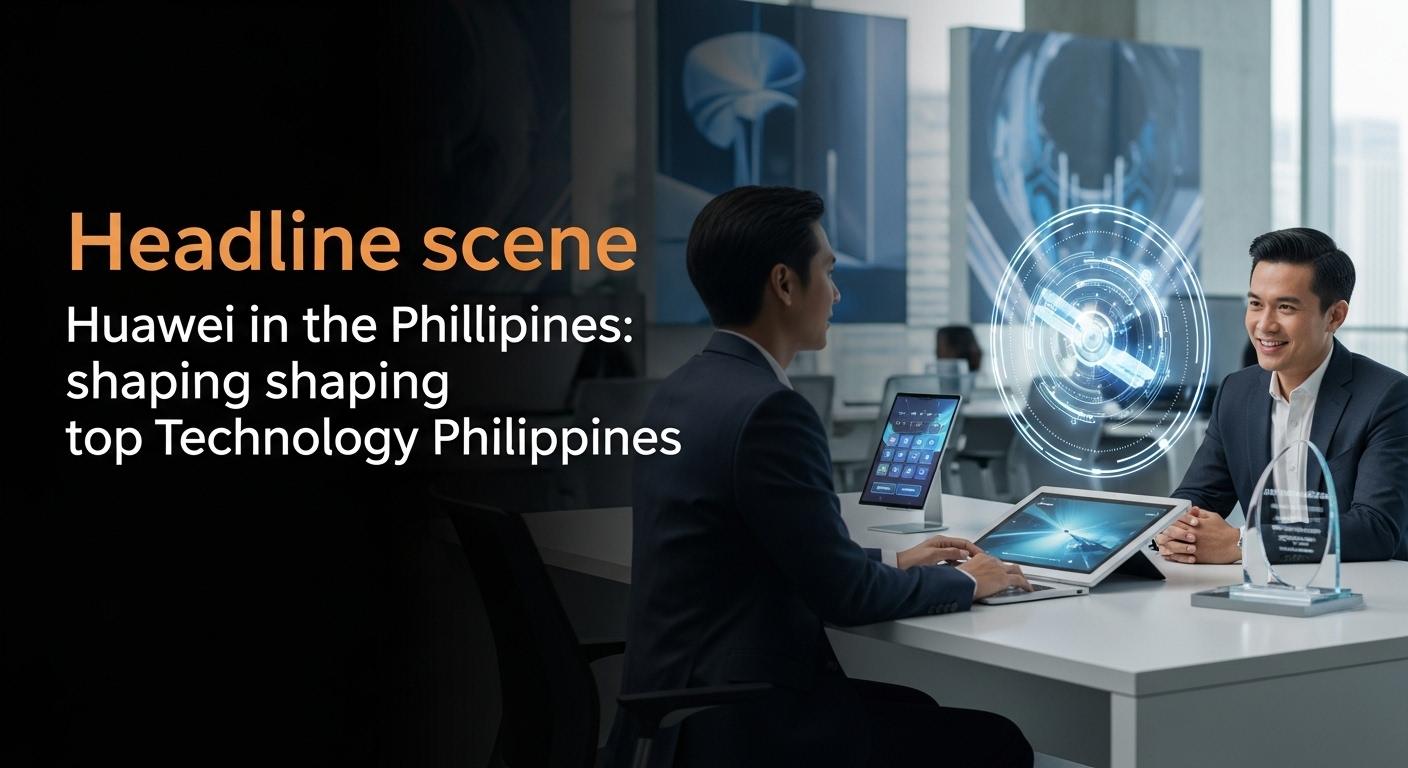
Analysts discuss Huawei's role in Philippines technology landscape.
Updated: March 16, 2026
In the Philippines, the race to define the top Technology Philippines landscape now intersects with hardware players like Huawei, regulators, and local data-center operators. This analysis examines how Huawei’s footprint could reshape access to digital services, influence network modernization, and alter the calculus of local firms seeking cloud-ready infrastructure.
Market context: Huawei’s positioning and Philippine tech ambitions
The Philippine tech scene is expanding beyond consumer devices toward enterprise cloud, 5G, and digital services that touch millions of small businesses and rural communities. Huawei remains a major actor in the global supply chain for network gear and devices, a position that translates into tangible options for Philippine operators and system integrators. In this context, the rivalry among vendors—not only on price but on ecosystem support, software features, and local service networks—helps define the pace of modernization. Yet global headwinds from sanctions, trade frictions, and corporate governance questions also filter into procurement and partnership decisions in Manila and other hubs.
For Filipino buyers and policymakers, the question is less about a single vendor and more about how a diverse supplier base can deliver reliable connectivity, secure devices, and cost-effective innovation. The top Technology Philippines landscape will hinge on how well networks are upgraded, how fast edge and cloud services scale, and how accessible technical talent becomes for local operations.
Policy and localization: tariffs, data sovereignty, and partnerships
Public policy in the Philippines continues to balance openness to foreign technology with safeguards around data stewardship and critical infrastructure. Data privacy rules shape how vendors deploy cloud and network services, while procurement preferences encourage local capacity building and partnerships with Philippine firms. Tariff regimes, ASEAN supply chains, and the push toward resilient digital infrastructure raise the stakes for companies like Huawei to demonstrate transparent supply chains and robust local collaboration. In practice, success will depend on clear service-level commitments, local employment opportunities, and predictable regulatory processes rather than rapid, one-off procurements.
For Huawei, the implication is a pathway that centers on joint ventures, local system integrators, and training pipelines that align with government priorities for digital inclusion and cyber resilience. The Philippines’ openness to diversified suppliers could create room for enterprise-grade deployments in government, finance, and telecommunications where long-run reliability matters as much as upfront cost.
Operational risks and resilience: data centers, supply chains, and cybersecurity
Operational resilience remains a core concern as the region scales its data-center footprint and edge computing capabilities. Dependency on external suppliers for semiconductors, network gear, and software can introduce delays and cost volatility, particularly if geopolitical tensions intensify. The Philippine climate and grid reliability add further layers of risk for data-center operators, demanding resilient power, cooling, and disaster recovery planning. Cybersecurity is not a marginal consideration: with more devices and more connected services, threat surfaces expand, and firms must insist on end-to-end security, secure supply chains, and ongoing staff training.
In this setting, Huawei’s ability to offer secure, well-supported infrastructure—coupled with transparent incident reporting and strong local partnerships—may help build trust among operators wary of supply fragility or regulatory scoping. But buyers should also stress interoperability with non-Chinese platforms to avoid vendor lock-in and to sustain competitive pricing over the long run.
Scenario framing: three plausible futures for Huawei in the Philippines
First, a collaborative path where Huawei expands through joint ventures with Philippine firms, backed by clear regulatory guardrails and shared investment in skills. In this scenario, 5G coverage grows faster in underserved areas, cloud-enabled services reach new small businesses, and consumer devices remain competitively priced through localized distribution channels. Second, regulatory tightening and geopolitical frictions ramp up, narrowing vendor scope and prompting public sector and enterprise buyers to diversify toward Korean, European, and American suppliers. The outcome could be shorter supply cycles for some technologies and longer decision horizons for others. Third, a resilience-first trajectory emphasizes robust data localization, domestic manufacturing elements, and enterprise-focused services. Huawei could anchor regional data centers and enterprise networks with strong risk governance and independent audit trails, while authorities encourage open access to ensure redundancy and regional competitiveness.
Actionable Takeaways
- For business leaders: map vendor risk across supply chains and build multi-vendor roadmaps to ensure continuity in connectivity and cloud services.
- For policymakers: foster transparent procurement, invest in local digital capabilities, and require clear cybersecurity standards in partnerships with foreign technology providers.
- For Huawei and partners: prioritize local job creation, skills development, and open interface standards to enhance interoperability and trust.
- For enterprises: pilot edge-cloud deployments in collaboration with diversified suppliers to shorten time-to-value and hedge against regulatory shifts.
Source Context