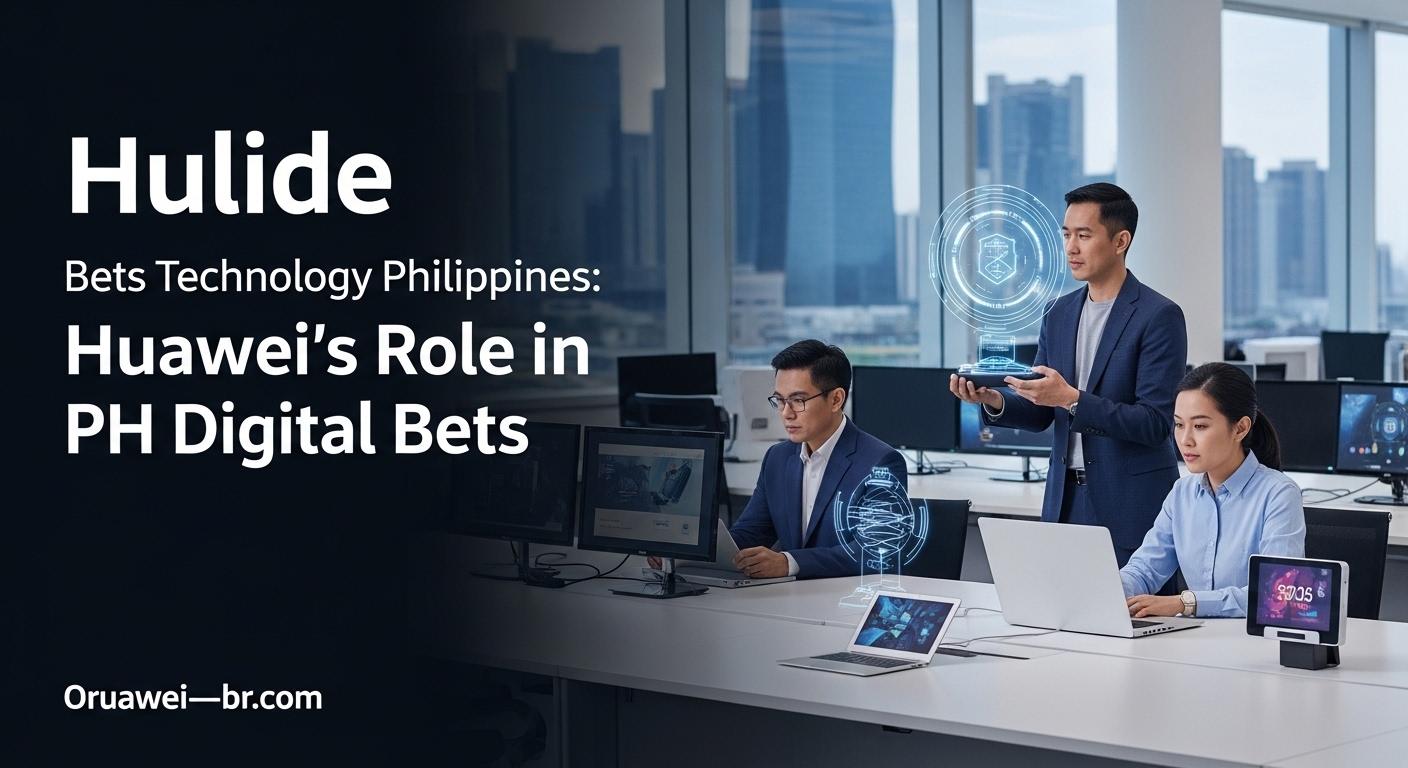
Philippines data center facility with cooling and technicians.
Updated: March 16, 2026
Across the Philippines, bets Technology Philippines is reshaping how businesses, communities, and policymakers picture the next digital era. It frames a central question: what role can Huawei and its partners play as local data centers expand, IoT networks grow, and cloud services become mainstream? The stakes go beyond gadgetry or flashy networks; they touch energy use, cybersecurity, and the country’s ability to weather disruptions in a volatile global supply chain. This piece analyzes the terrain with a practical lens—demonstrating how choices today could shape costs, resilience, and opportunity for Philippine enterprises in the years ahead.
Data centers, heat, and resilience in the PH
Data centers in the Philippines are expanding to support local data sovereignty, cloud adoption, and disaster-resilient connectivity. In tropical conditions, cooling is as critical as compute density. Operators are experimenting with modular designs, energy-efficient cooling, and on-site generation to reduce outages during typhoons. For Huawei and other vendors, the opportunity lies not only in selling servers or storage but in offering integrated packages—hardware, software, and services—that help local clients manage heat, reduce energy per unit of work, and align with evolving regulatory expectations around data localization and supplier security. The outcome will hinge on the availability of affordable green power, predictable grid reliability, and a policy environment that invites investment without compromising data governance.
IoT, connectivity, and the Huawei ecosystem in the PH
IoT networks are a growing piece of the Philippines’ digital strategy, touching agriculture, logistics, and smart city pilots. A robust IoT management layer is essential to connect devices across archipelago provinces and deliver reliable telemetry, safety monitoring, and asset tracking. Industry coverage highlights partnerships that streamline connectivity management across PH networks, illustrating a trend toward centralized platforms. Huawei’s ecosystem—spanning device platforms, edge computing, and enterprise IT—competes for a place in this mix by offering integrated solutions that promise easier deployment, centralized analytics, and scalable security controls for corporate clients. The challenge is ensuring interoperability across carriers, platforms, and local data-control requirements, while keeping total cost of ownership predictable.
Policy, risk, and strategic choices for PH digital bets
Policy decisions—data sovereignty rules, 5G security guidelines, and supply-chain oversight—shape the canvas in which PH technology bets play out. A cautious but open stance to external vendors can accelerate adoption while preserving national risk controls. For Huawei, the Philippine market offers a chance to demonstrate how enterprise-grade technology partnerships can be structured to meet local compliance, with clear data handling, transparent cybersecurity practices, and independent audits. Businesses will weigh vendor diversification against the convenience of an integrated ecosystem, considering service reliability, local maintenance capacity, and the availability of skilled technicians.
Scenario framing: Huawei’s potential path in PH’s tech trajectory
Looking ahead, the PH digital arc could unfold along several plausible routes. If openness and competitive markets prevail, Huawei could contribute through enterprise IT deployments, cloud-edge solutions, and partner ecosystems that align with local data rules. If policy constraints tighten or geopolitical frictions intensify, the PH market might push for more domestic sourcing or vendor diversification, reshaping the role of global suppliers. Regardless of path, a practical approach will emphasize interoperability, transparent risk management, and real-world metrics for uptime, energy efficiency, and security.
Actionable Takeaways
- Prioritize local data center capacity with energy-efficient cooling and robust redundancy.
- Demand clear data governance clauses and independent security audits in vendor agreements.
- Invest in interoperable IoT platforms with open APIs to ensure cross-network operation.
- Build a phased roadmap for 5G and edge deployments that aligns with grid reliability and renewable energy goals.
- Foster local skills and partnerships to support maintenance and lifecycle management.
Source Context
From an editorial perspective, separate confirmed facts from early speculation and revisit assumptions as new verified information appears.
Track official statements, compare independent outlets, and focus on what is confirmed versus what remains under investigation.
For practical decisions, evaluate near-term risk, likely scenarios, and timing before reacting to fast-moving headlines.
Use source quality checks: publication reputation, named attribution, publication time, and consistency across multiple reports.