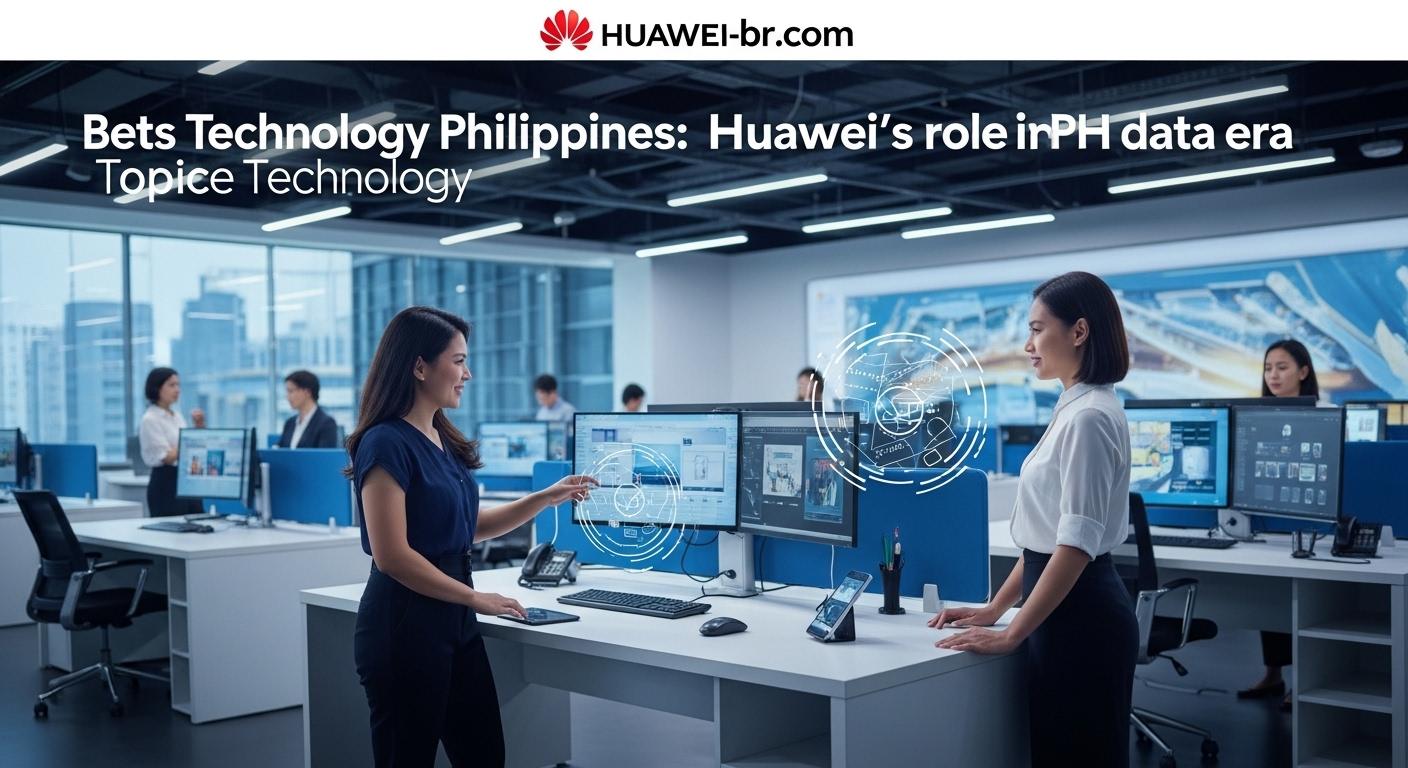
Philippines digital infrastructure with data centers and 5G towers amid a cityscape at dusk.
Updated: March 16, 2026
For the Philippines, the coming era is defined by the dual Technology Philippines approach, where network infrastructure and consumer devices advance in tandem, reshaping how people connect, work, and learn. This framework encourages operators, policymakers, and firms to pursue coordinated investments that close gaps in both urban centers and rural communities.
Market Context in the Philippines
The Philippine digital landscape has shown rapid growth in mobile internet use, with millions of residents adopting smartphones to access education, commerce, and public services. While Metro Manila and other urban hubs push ahead with faster speeds and new applications, large swaths of the country still depend on affordable, accessible connectivity. In this environment, the role of major technology vendors becomes less about one-off devices and more about building a reliable ecosystem: from base stations to cloud-enabled services, and from consumer devices to enterprise-grade hardware. The Philippines’ regulatory and spectrum policies influence how quickly such ecosystems scale, and the competitive dynamic among vendors—including Huawei—shapes choices for carriers and end users alike. The market expects solutions that are resilient to geographic and climate challenges, with modular deployments that can scale from classrooms to clinics to factories.
Huawei’s Dual-Technology Strategy: Networking and Consumer Tech
At the core of a plausible Philippine strategy is a dual-Technology approach that links the backbone of 5G networks with consumer devices that can harness those networks. Huawei’s portfolio, in this framing, spans network infrastructure, cloud services, and a broad line of devices that support both urban and rural use cases. For telcos, this could translate into integrated packages—5G-ready core networks paired with compatible devices, security-enabled services, and local support that reduces deployment risk. For consumers and small businesses, the same technology stack offers faster, more reliable connectivity and access to AI-powered tools. The key question is whether the Philippines can balance scale with security and transparency as vendors participate in pilot projects, training programs, and local talent development. A successful dual-Technology approach would hinge on open interoperability, clear data governance, and a shared roadmap that aligns with local needs in education, healthcare, and commerce.
Policy, Security, and Local Partnerships
Any sustained technology push in the Philippines requires a coherent policy framework that emphasizes data governance, cybersecurity, and supplier diversification. A dual-Technology Philippines strategy would benefit from explicit standards around data localization, openness in procurement, and clear risk assessments. Local partnerships—universities, system integrators, and telecommunications operators—become essential to adapt global technology to Filipino realities, from disaster-resilient networks to offline-capable education tools. The dialogue between government agencies, vendors, and end users should be anchored by measurable pilots, transparent procurement, and independent security reviews that reassure the public while unlocking practical benefits for schools, healthcare providers, and small businesses. The outcome hinges on credible oversight and long-term investment in local talent pipelines that can sustain the ecosystem beyond political cycles.
Practical Scenarios for Filipino Consumers and Businesses
In a country with diverse topography and uneven connectivity, a dual-Technology Philippines approach can translate into tangible improvements. Rural or islanded communities might deploy affordable, Huawei-aligned devices and edge-computing solutions that work offline enough to keep schools and clinics functioning during outages. Small businesses can adopt integrated 5G-enabled networks and secure devices that simplify remote work, customer engagement, and inventory management. Urban users could benefit from faster consumer devices paired with carrier-grade services that enhance streaming, e-commerce, and digital payments. Across these scenarios, the common thread is a coordinated technology stack—one that aligns the incentives of network operators, device manufacturers, and local partners to build resilience and opportunity for the majority of Filipinos. In the long run, such alignment could also accelerate digital literacy programs and enable data-informed planning for local authorities.
Actionable Takeaways
- Policymakers should design clear, transparent procurement rules that encourage diverse suppliers while prioritizing security and data governance.
- Telcos and vendors should pilot end-to-end solutions that couple 5G infrastructure with compatible devices and cloud services, with local talent development built in.
- Educators and researchers should collaborate on digital inclusion programs that leverage the dual Technology Philippines approach to expand access to learning tools in rural areas.
- Businesses should prepare contingency plans that incorporate reliable connectivity, offline-first capabilities, and robust cybersecurity for remote operations.