Deep Analysis: Huawei Philippines Path with Isaiah Jackson
Updated: March 16, 2026
This analysis considers who bets Technology Philippines, outlining strategic bets in data centers, IoT, and 5G that affect consumers and enterprises across the archipelago. In the Philippines, a blend of local investment, regional supply chains, and regulatory shifts is shaping what technologies reach households and how fast. As global vendors like Huawei press for stronger presence, policymakers and business leaders must gauge not only the price of entry but the resilience of the infrastructure that underpins daily life—from electricity reliability to internet access in provincial towns. This piece situates Huawei’s role within broader forces and asks what the PH tech ecosystem needs to sustain sustainable growth while protecting data, consumer interests, and national security concerns.
The PH Tech Landscape: Data centers, resilience, and heat
The Philippines is promoting the development of local data centers to shorten data transit times, improve service reliability, and support digital government and commerce. However, the island nation’s climate and energy constraints add layers of complexity. Dense humidity, tropical heat, and grid intermittency raise cooling costs and raise questions about the long-term sustainability of multi-tenant facilities in provincial centers. Analysts point to examples of cooling challenges and the premium that reliable power delivers to operators and customers alike. At the same time, local policymakers are nudging standards for energy efficiency, permitting, and power round-trips that can enable faster data-center deployment. The dynamic is not only about building rooms of servers; it’s about building an ecosystem that can withstand weather extremes and price volatility while keeping consumer data secure and accessible.
Huawei’s Position in the Philippine Tech Ecosystem
Huawei has long positioned itself as a supplier of network gear, devices, and cloud-capable solutions in many markets with active telco partnerships. In the Philippines, the company’s footprint intersects with ongoing 5G rollout, enterprise networking, and consumer devices that feed into broader digital inclusion goals. The current environment—where global supply chains, local content requirements, and cybersecurity expectations intersect—means Huawei’s strategy must balance competitive pricing with transparent compliance and risk management. The conversation is less about a single product and more about a portfolio: radio access network technology that underpins mobile broadband, edge computing offerings that bring cloud-like capabilities closer to users, and managed services that can reduce complexity for Philippine businesses and government agencies. Stakeholders will watch how Huawei collaborates with local partners to meet demand for speed, reliability, and security while navigating regulatory expectations.
IoT and Edge Computing: Connecting the Philippines
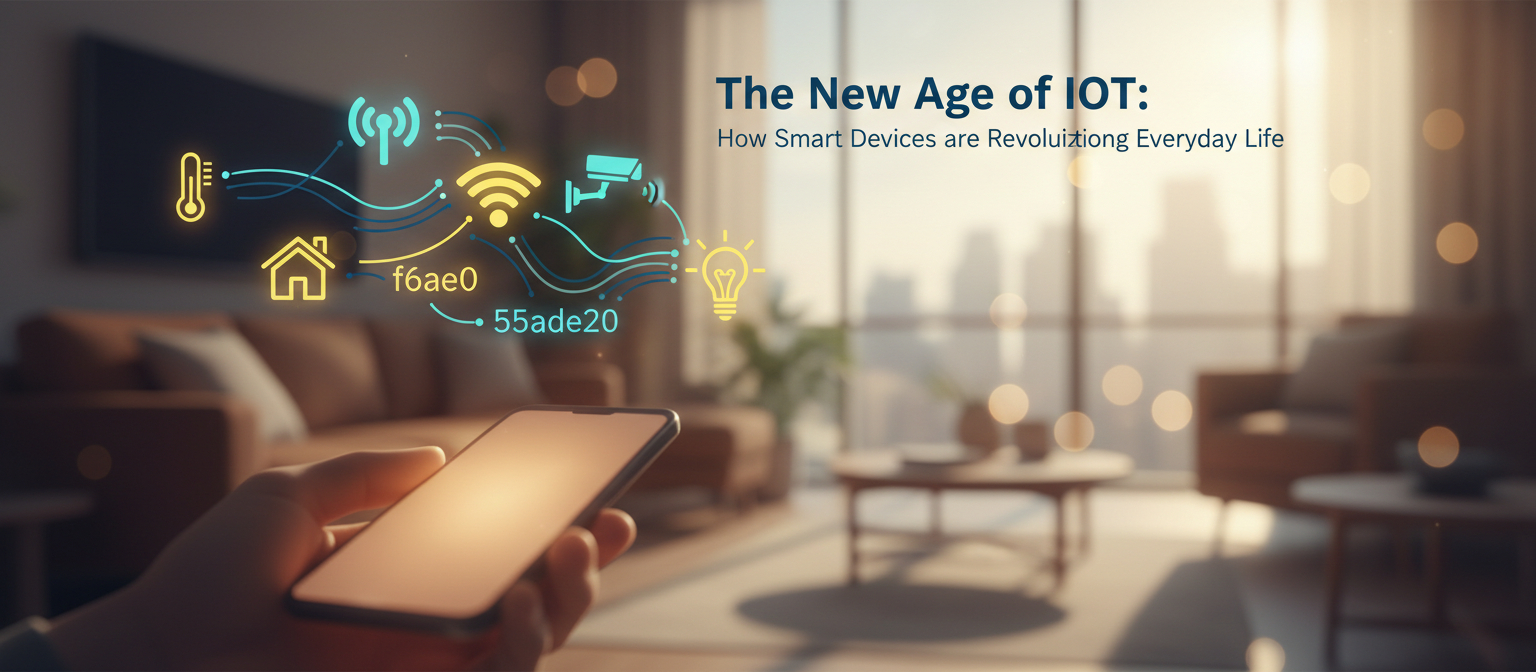
IoT adoption in the Philippines is accelerating across agriculture, logistics, and smart city pilots. The pairing of IoT connectivity management with edge computing helps reduce latency, improve resilience, and lower backhaul costs for remote sites. Partnerships between global players and local operators illustrate a trend toward centralized management of devices distributed across archipelagic geographies. For instance, collaborations that enable scalable IoT networks—while ensuring data privacy and robust security—are critical as more devices come online in provincial communities. This shift elevates the strategic value of edge nodes, where data processing occurs near the source, and where local data centers can play a pivotal role in sustaining performance during weather events or energy disruptions.
Policy and Market Scenarios
Policy discussions around data localization, cybersecurity, spectrum allocation, and energy policy shape how fast and at what cost PH firms can deploy advanced infrastructure. A balanced scenario envisions a market where local data centers grow with transparent governance, energy-efficient designs, and incentives for reliable power supply. A more cautious outlook would emphasize risk management in supply chains, vendor diversification, and stronger standards for data privacy and critical infrastructure protection. The plausible paths hinge on cooperative frameworks among regulators, industry players, and civil society to ensure consumer protection, fair competition, and national security without stifling innovation. This is where the ripples from Huawei’s regional strategy will be felt, especially as telcos, cloud providers, and IoT ecosystems converge on shared platforms and common standards.
Actionable Takeaways
- Policymakers: streamline permitting for data centers, promote grid reliability, and set clear data-protection standards that protect citizens while enabling innovation.
- Telcos and enterprise buyers: prioritize vendor diversification, insist on transparent supply chains, and invest in edge computing to reduce latency and backhaul costs.
- Huawei and technology partners: align offerings with local energy efficiency standards, provide transparent security assurances, and invest in local talent development and certification programs.
- Data center operators: pursue green cooling strategies and renewable energy integration to reduce operating costs and environmental impact.
- End users and SMEs: prepare for improved digital services, ensure cybersecurity hygiene, and participate in pilot programs that promote inclusive technology adoption.