In the Philippines, harnessing Technology Philippines has moved from a policy vow to a business imperative, reshaping how telecoms, energy, and AI investments unfold. As the country grapples with archipelagic logistics, climate risks, and a crowded digital market, the question is less about whether technology will arrive and more about how it will be deployed to uplift markets, homes, and governance. This analysis assesses the threads connecting public policy, private capital, and technology ecosystems—and what they mean for everyday Filipino users.
Market Context and Demand
The Philippines stands at a crossroads where digital adoption is outpacing infrastructure in pockets, creating a demand for solutions that scale. Urban centers demand faster connectivity, while rural and island communities require resilient, affordable services. Industry players argue that the technology stack—from high-speed networks to cloud-native services and AI-enabled applications—will unlock productivity in agriculture, health, and logistics. Public-interest groups emphasize the climate and social dimensions of tech diffusion, noting that climate-tech deployments can reduce food waste, improve supply chains, and increase transparency in food systems. This broader framing matters: it reframes technology not as a luxury but as a lever for inclusive growth. The Philippines’ path forward will hinge on how quickly new capabilities can be integrated with local realities and risk profiles.
Infrastructure, Security, and Trust
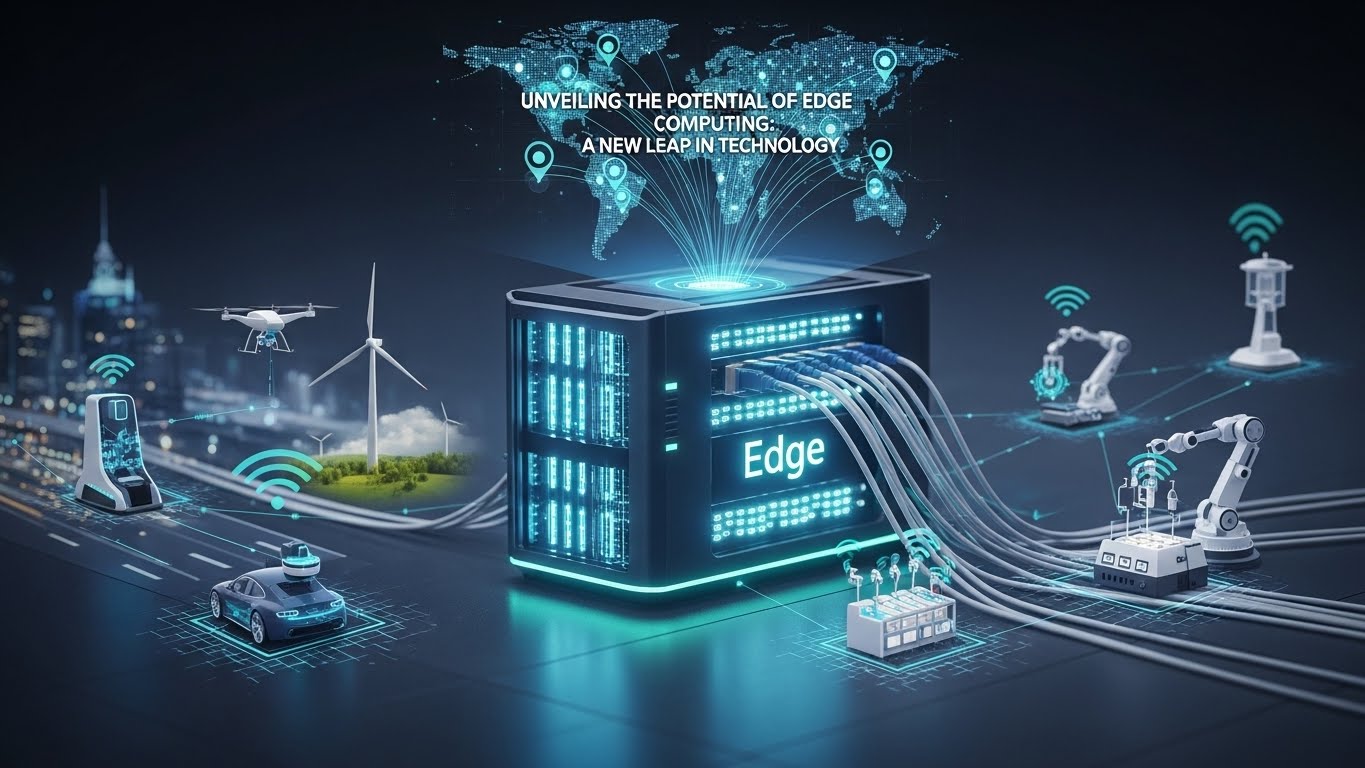
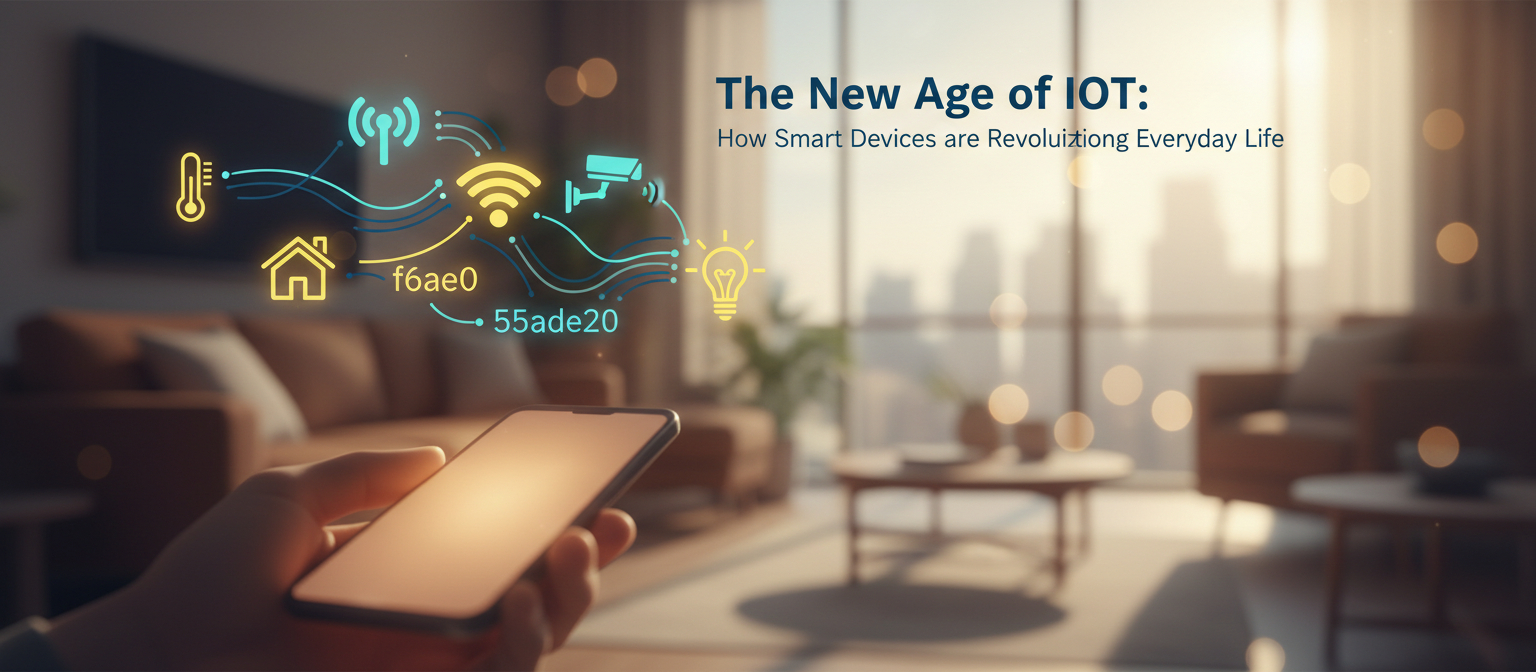
At the grid and data-center interface, energy storage emerges as a critical enabler for large-scale renewables and for stable connectivity. In practice, storage assets help balance intermittent solar and wind, support grid resilience in island networks, and reduce the need for fossil-backed peaking capacity. For the Philippines, where geographic dispersion magnifies supply fragility, scalable storage and smart energy management can anchor digital services during extreme weather, typify a more reliable foundation for data services, and lower the cost of electricity for end users. Moreover, as Internet of Things proliferates in farming, logistics, and public services, the security and reliability of the underlying hardware and software become as important as the raw speed. The industry’s emphasis on trust—through standardized interoperability, robust cybersecurity, and transparent governance—will influence consumer confidence and the real-world uptake of advanced technologies.
Policy, Partnerships, and Huawei’s Role
Policy frameworks in the Philippines are increasingly oriented toward multi-stakeholder collaboration, with government agencies seeking to attract investment while safeguarding national interests. Initiatives that promote AI readiness, data governance, and open innovation laboratories aim to shorten the cycle from concept to commercial deployment. In this context, ecosystem partners—from multinational suppliers to local startups—provide a bridge between global capabilities and domestic needs. Huawei, as part of the broader technology ecosystem, figures into these conversations as a supplier of hardware, platforms, and enterprise solutions that can accelerate pilots in 5G, cloud services, and device ecosystems. The critical question is not whether a single vendor will dominate, but whether a diverse mix of players can accelerate practical pilots, enforce interoperability, and share risk across sectors such as telecoms, energy, manufacturing, and agriculture. Sound policy can foster competitive procurement, prevent vendor lock-in, and ensure that local talent can participate in design, customization, and on-the-ground support. The DOST-supported AI development agenda in PH illustrates how government-backed programs can catalyze capabilities that are then scaled through industry and academia, including tech venues that encourage Philippine-speaking developers and engineers to contribute to regional AI solutions.
Scenario Planning: What PH Can Expect in the Next 3-5 Years
Three plausible trajectories illustrate why the current investment mix matters. In the baseline scenario, continued investment in digital infrastructure, paired with pragmatic regulation and active private-public partnerships, leads to steadier improvements in connectivity, energy reliability, and public service delivery. In an upside scenario, accelerated deployment of storage-enabled renewables, stronger AI-enabled public services, and broader private-sector risk-taking push the Philippines toward a more competitive digital economy, lower power costs, and more resilient supply chains, particularly for agriculture and healthcare. In a downside scenario, delays in permitting, persistent cybersecurity concerns, or supply-chain shocks could slow adoption, constrain project economics, and widen urban-rural gaps. The common thread is that the pathway depends on governance choices—how quickly rules adapt to new tech, how procurement remains transparent, and how local skills are scaled to maintain and sustain the deployed systems. Policymakers and industry should prepare for multiple futures by designing modular, standards-based solutions that can be upgraded as technology evolves.
Actionable Takeaways
- Policy: Accelerate procurement of interoperable, standards-based solutions and invest in local skill-building to enable long-term maintenance and upgrades.
- Industry: Pilot storage-backed renewables, 5G-enabled services, and AI-enabled operations in selected sectors (agriculture, logistics, health) to demonstrate business value and resilience.
- Public sector: Strengthen data governance, cybersecurity, and disaster-response continuity to ensure trust and reliability for citizens and businesses.
- Private sector: Build multi-vendor ecosystems and open platforms to avoid vendor lock-in and to unlock local innovation and job creation.
- Community: Prioritize digital inclusion programs that reach remote areas, ensuring affordable access and user-friendly interfaces for diverse populations.
Source Context
Further reading and context for the themes discussed above can be found in the following sources: